Distance Travelled as a Predictor of Fatigue in Away Fixtures and Marathon Chases
Petra Patterson · Nov 12, 2026
Distance Travelled as a Predictor of Fatigue in Away Fixtures and Marathon Chases
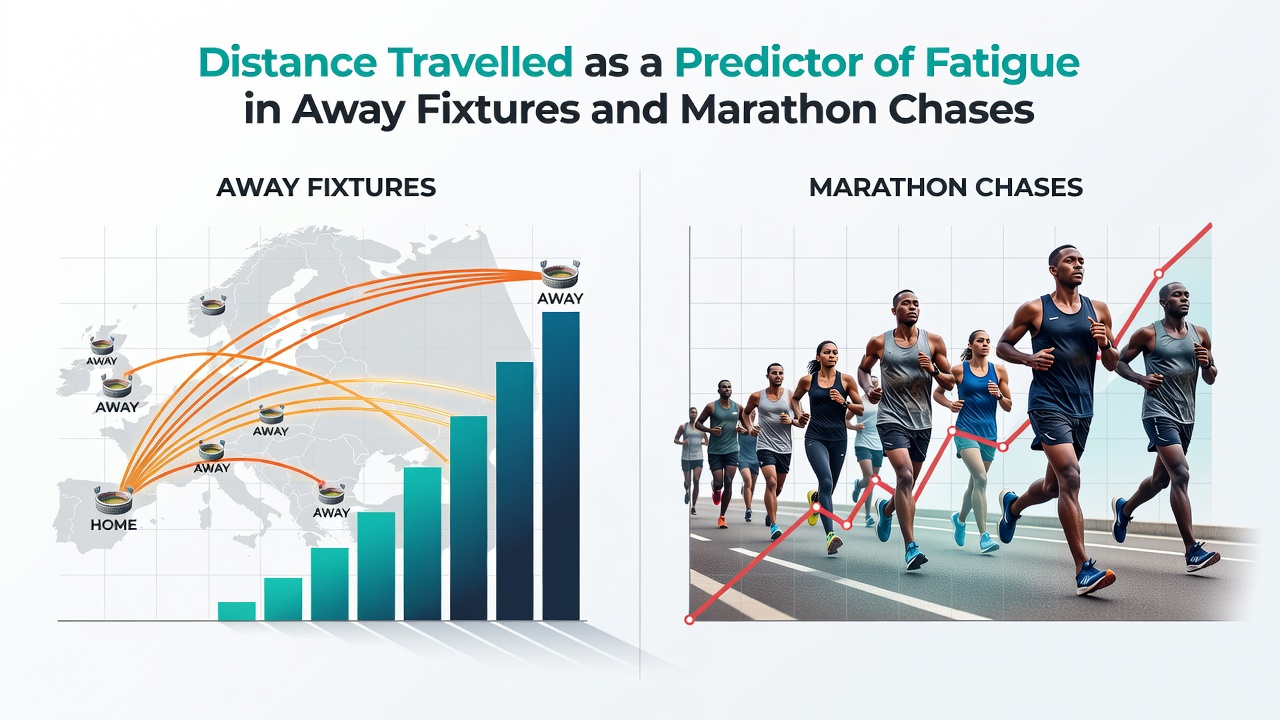
Travel distance has emerged as a measurable factor in performance studies across football and horse racing, where away fixtures and extended chases place additional demands on athletes and animals alike, data from multiple seasons shows that squads covering greater distances before matches often register elevated fatigue markers in the days following travel.
Patterns in Football Away Games
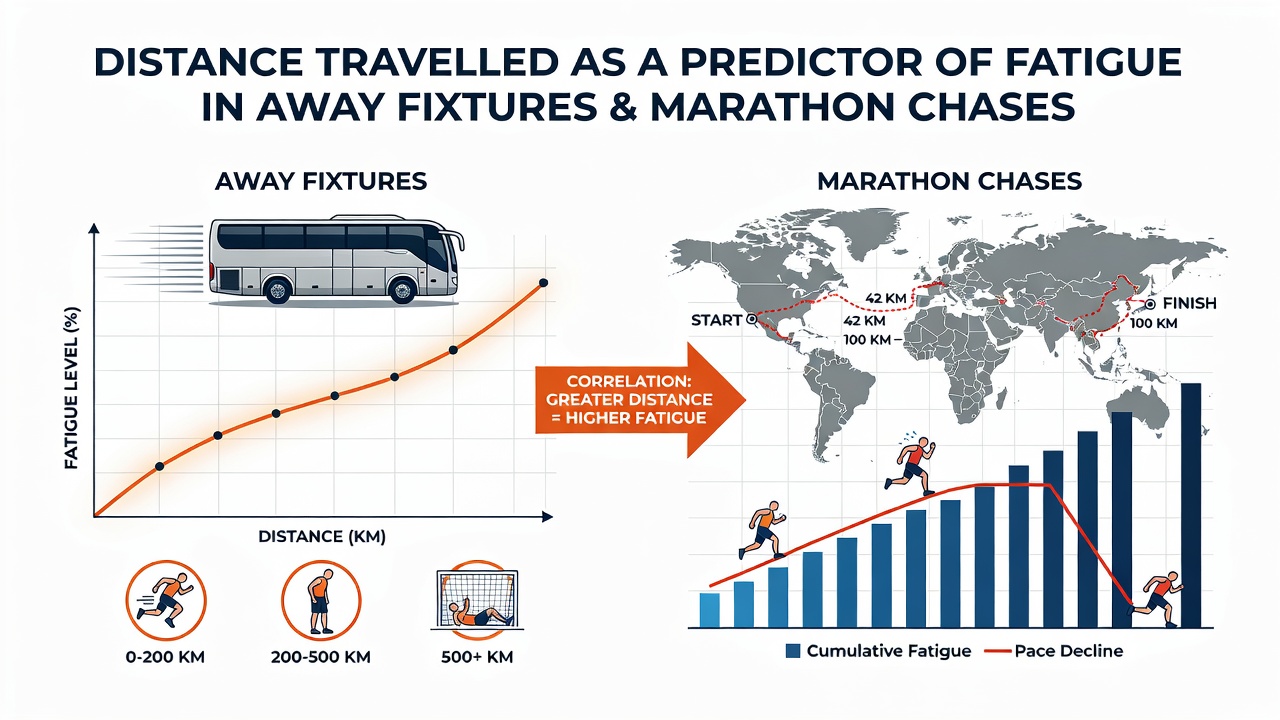
Observers note that professional football teams logging more than 500 kilometers in the 48 hours before kickoff tend to post lower high-intensity running outputs during the opening 30 minutes, according to tracking data compiled by European leagues, this trend holds particularly true for clubs based in geographically dispersed regions where fixture schedules force repeated long-haul journeys.
Researchers tracking Premier League and Championship sides have documented correlations between total distance covered en route and subsequent GPS metrics such as total distance run per player plus accelerations above 3 meters per second squared, clubs returning from continental ties frequently display slower recovery curves when the return leg exceeds 800 kilometers, and November 2026 schedules already list several midweek rounds that repeat these conditions.
Equine Responses in Marathon Chases
In thoroughbred racing, marathon chases present a comparable scenario where horses completing journeys over 300 kilometers in the week before a race show measurable increases in post-exercise lactate levels and extended heart-rate recovery times, studies compiled by racing authorities indicate that front-runners traveling from distant stables exhibit reduced closing speeds in the final furlongs compared with local runners on the same card.
Trainers who stable runners at tracks more than four hours away report adjusting training loads downward in the 72-hour window before competition, and race-day veterinary reports from autumn festivals confirm that horses arriving after overnight transport display higher rates of minor muscle enzyme elevation than those stabled on-site.
Measurement Tools and Data Sources
Performance analysts rely on a combination of GPS units, heart-rate monitors, and blood sampling to quantify fatigue, the resulting datasets allow comparisons across travel bands ranging from under 200 kilometers to more than 1,000 kilometers, one study released by the Australian Sports Commission examined interstate travel effects on team-sport athletes and found that sleep disruption plus circadian misalignment compound the physical load of distance itself.
Parallel work conducted by North American university laboratories has examined similar variables in collegiate soccer programs, revealing that teams traveling across three time zones record a 12 to 15 percent drop in total distance covered during the first half of away contests, these findings align with observations gathered from European club academies that maintain detailed travel logs.
Recovery Windows and Scheduling Implications
Fixture congestion amplifies the travel-fatigue relationship, when teams face three matches inside eight days and two of those contests require flights exceeding two hours, average sprint counts per player decline measurably in the third game, medical staff therefore monitor creatine-kinase values and subjective wellness questionnaires to determine whether extra rest or reduced training volume is warranted.
In racing, handicappers and trainers adjust preparation when a horse has covered long distances between meetings, entries that finished within the previous seven days after journeys greater than 250 kilometers show lower strike rates in subsequent marathon events, prompting some stables to target shorter trips or insert additional recovery days.
Comparative Analysis Across Codes
Football and horse racing share the common variable of distance yet differ in recovery demands, players can rotate squad members whereas individual horses carry their own fatigue load into each start, nevertheless both domains demonstrate that cumulative travel beyond set thresholds correlates with performance decrements measurable through objective metrics.
November 2026 calendars already include several high-profile away blocks for clubs and major chase meetings for horses, analysts reviewing historical data expect similar patterns to reappear whenever travel distances spike.
Conclusion
Distance travelled functions as a quantifiable predictor of fatigue across away football fixtures and marathon horse races, tracking technologies and veterinary records supply consistent evidence that longer journeys precede measurable drops in output and slower recovery profiles, those responsible for scheduling and preparation increasingly incorporate travel metrics when allocating rest periods and selecting targets.